
Atomic Management: Why Your Team Structure is Broken
In my previous posts, I’ve discussed Atomic Design, the methodology of breaking user interfaces down into their smallest components (Atoms) to build complex, scalable systems (Organisms). I’ve also written about the emotional difference between a Leader and a Boss.
Lately, wearing my Country Manager hat, I’ve realized that these two worlds are not as distinct as they seem. Building a high-functioning team requires the same architectural thinking as building a high-functioning design system.
We often try to fix organizational problems at the "Page" level by changing the office layout, rebranding the company, or shifting deadlines. But if the underlying system is broken, the page will never render correctly.
Atoms - The Individual: In code, an atom is a label, an input, or a color. In management, the Atom is the individual team member. Each person comes with their own properties: their skills (hard code), their attitude (styles), and their values (semantic structure). As a leader, you cannot force a "Button" to act like an "Input Field." You have to understand the properties of the Atom. If you have a toxic individual (an unstable atom), it doesn’t matter where you place them eventually they will destabilize the entire component.
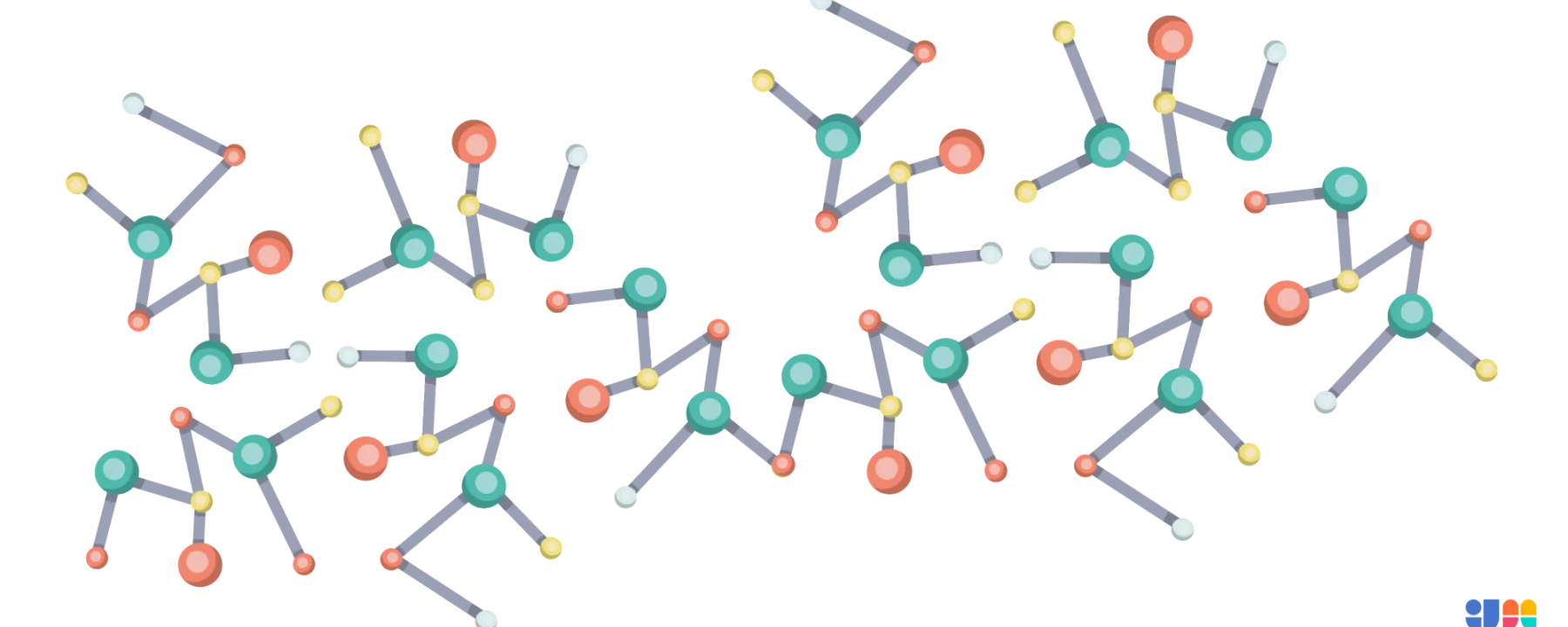
Molecules - The Squad: When we bond atoms together, we get Molecules. In our context, this is the Squad or the Project Team. This is where Chemistry becomes literal. You might have two high-performing "Atoms" (great developers), but if their properties clash (if their communication styles conflict) the Molecule fails. A Boss forces these atoms together because "resources are available." A Leader looks at the bond and asks, "Will this combination create energy, or will it explode?"
Organisms - The Culture: When molecules function together, they form the Organism, the Department or the Company itself. Just like a design system, an organization needs a "Single Source of Truth." In code, that’s documentation. In leadership, that’s Vision. If the vision is inconsistent, the organisms behave erratically. The Marketing organism says one thing, while the Engineering organism does another.
Maintenance Mode: The biggest lesson from Atomic Design is that a system is never "finished." It requires constant maintenance, refactoring, and updates. Why do we assume teams are different? We can’t just hire people and hope they stay updated. We need to "refactor" our processes, update our skills, and deprecate old bad habits.
We are not just managing people; we are architecting a living system. And just like code, if you don't maintain it, you accrue technical debt but only this time, it’s cultural debt.